At my recent visit to the Natural History Museum Los Angeles, I had the privilege to meet Nathan D. Smith, PH.D. and Associate Curator of the Dinosaur Institute at the Museum. This was arranged by Cristina Rosales, Coordinator, Fellows Advancement. The Museum has many Membership Programs to fit your needs. I joined the “Fellows Program”. See next post “Natural History Museum Membership has its Privileges” for more details or go directly to their website http://nhm.org click on the Join Us tab, select Membership, then Levels Benefits in the drop-down menus to see which one is best for you. There are many advantages to having a membership and it’s a great way to support the Museum!
As I entered Nate’s office, I was greeted by a person who truly has a passion for his work. There is a very large cabinet on the back wall of his office full of fossils. The wall next to Nate’s desk is painted with a huge Family Tree of Dinosauria. Although it’s officially called a Cladogram. Nate specializes in the beginning of Dinosauria. His paleontological work has taken Nate to Antarctica, Argentina, China and the southwestern and western United States.
We discussed his work in Ghost Ranch, New Mexico and the discovery of Tawa Hallae. This fieldwork was featured in the 3-D IMAX movie, “Dinosaurs Alive!”, when the specimens of Tawa were collected (movie released in 2007). In December 11, 2009 issue of Science, Sterling Nesbitt of Virginia Tech; Nate Smith of the Natural History Museum of Los Angeles County; Randall Irmis of the Natural History Museum of Utah, University of Utah; Alan Turner of Stony Brook University; Alex Downs of the Ruth Hall Museum of Paleontology, Ghost Ranch Conference Center; and Mark Norell of the American Museum of Natural History introduce the Triassic dinosaur, Tawa, that may answer questions about the earliest years of dinosaur evolution.
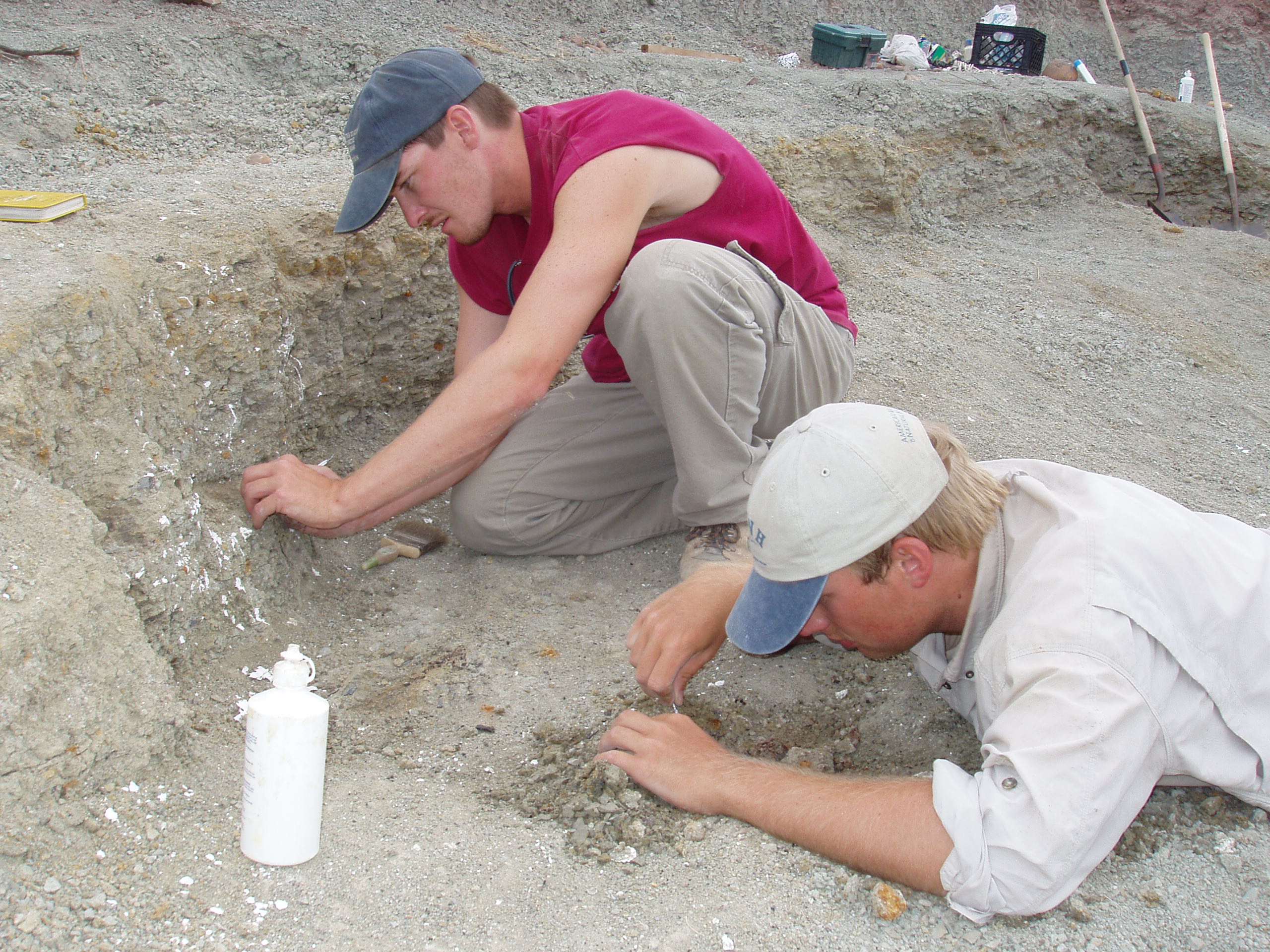
credit: David Clark, Dinosaur Hunters LLC
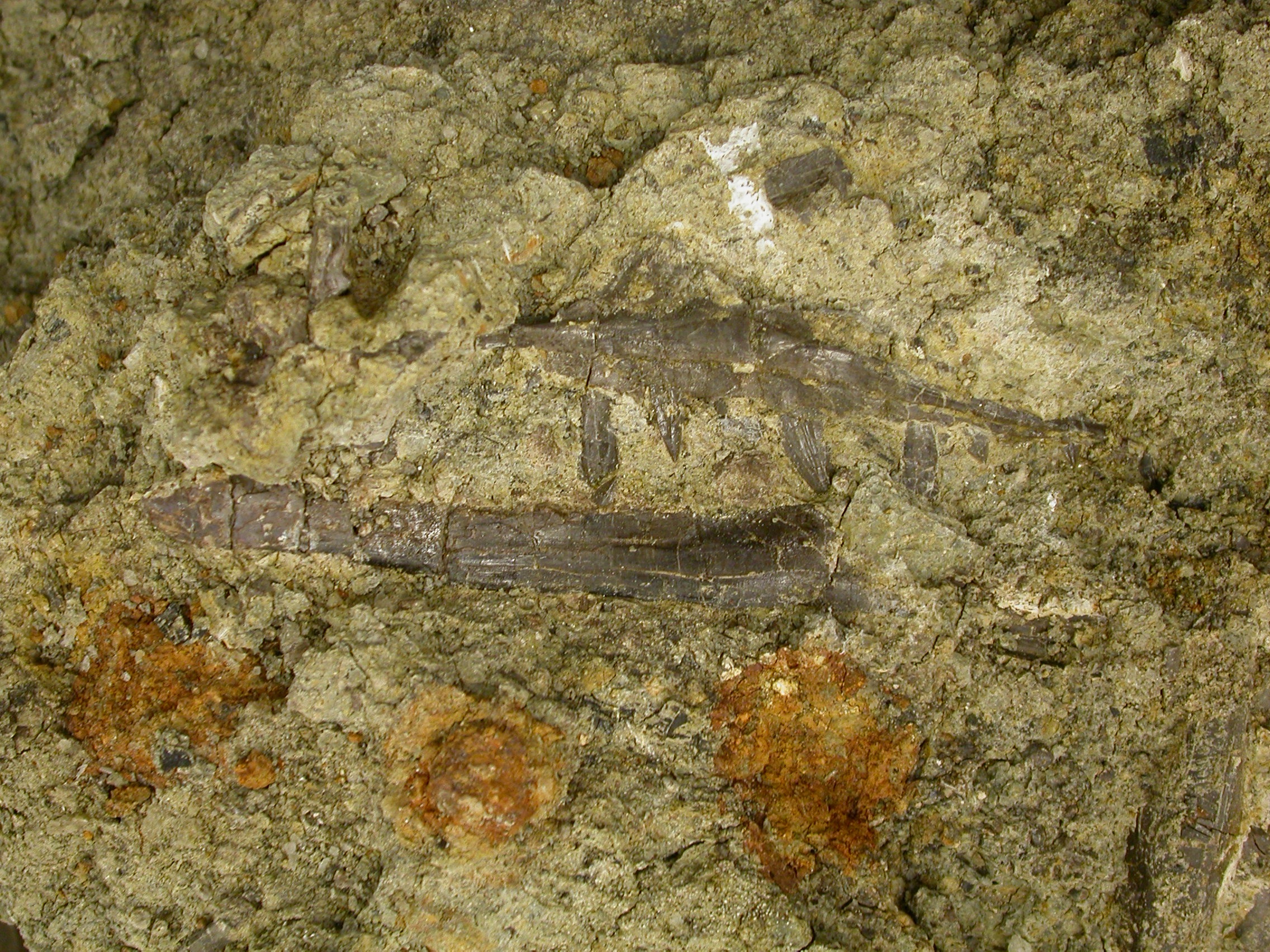
credit: Sterling Nesbitt
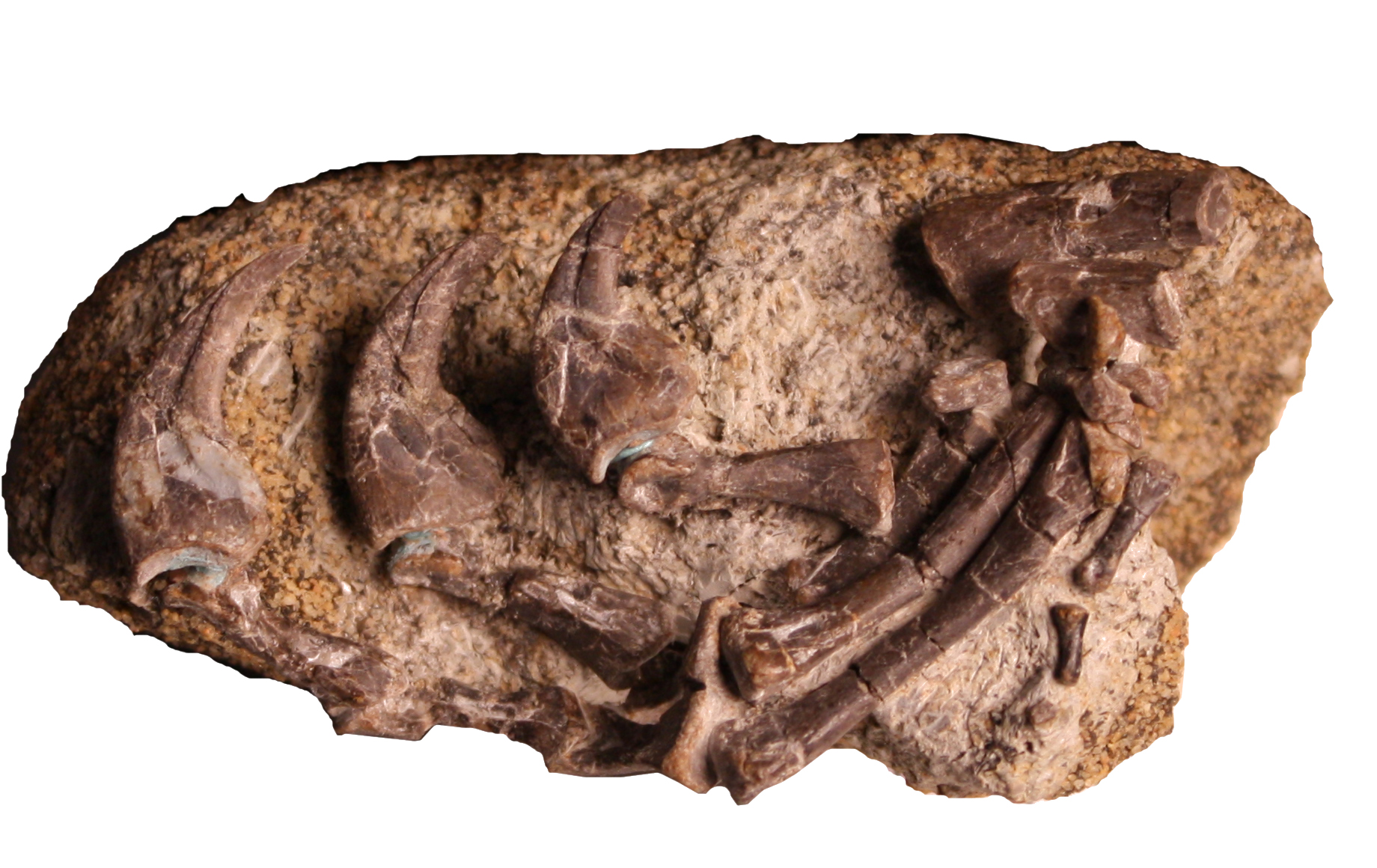
credit: Sterling Nesbitt
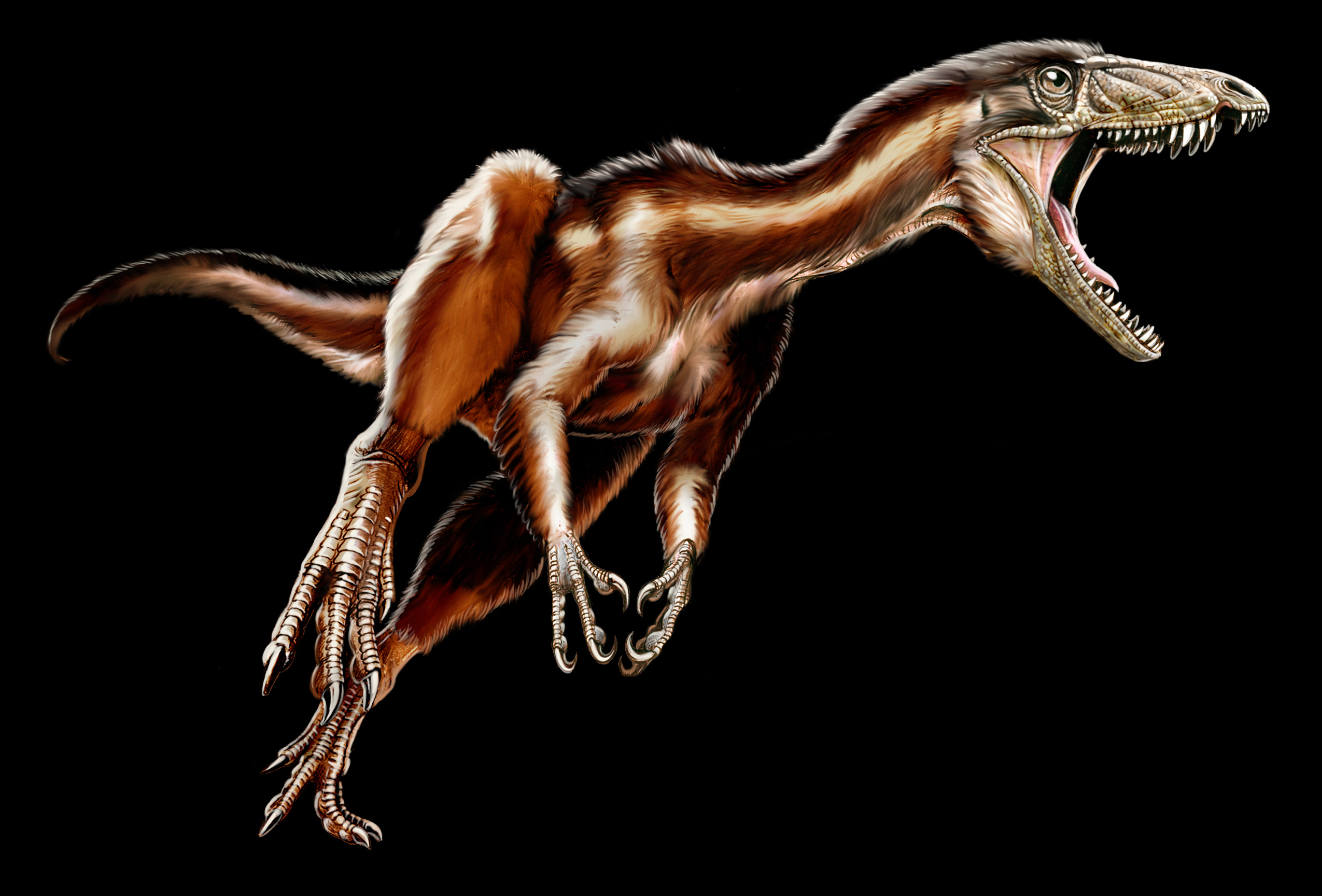
credit: Jorge Gonzales
Note: The first Tawa specimens were collected in 2004. There is a great deal of work to remove the fossils from the site, analysis of fossils, documentation, submission of paper for peer review, receive approval and then publishing. There have been situations where a rush to make a quick press release later results in embarrassment for not having all the facts straight. It’s important to have all the i’s dotted and t’s crossed, no matter what field you are in!
The name Tawa is the Hopi name for the Puebloan sun god. The second part of the name, Hallae, is for Ruth Hall, who collected many of the specimens that form the genesis of the Ghost Ranch Ruth Hall Museum of Paleontology Ghost Ranch collections. Tawa is known from entire and well preserve skeletons of small juveniles to sub adults from the Triassic period. It’s nearly 5 feet (1-1.5 meters) tall at the hip and about 13 feet (2-4 meters) long .
Tawa’s braincase and neck were surrounded by air sacs, just like living birds! It is found in the same deposits as the primitive carnivorous dinosaur Chindesaurus (closely related to Herrerasaurus which lived in South America) and an animal closely related to Coelophysis common to the region. Tawa possesses features that appear in its contemporaries and features that do not, a finding that helps unite all Triassic carnivorous dinosaurs into one group – theropods. Theropods include T-Rex, Velociraptor and birds. The findings in Hayden Quarry at Ghost Ranch, New Mexico supports the hypothesis that dinosaurs originated in South America and soon after diverged into three groups. The groups are Theropods, Sauropods (includes Apatosaurus), and Ornithischians (includes a range of body types – Stegosaurus and Triceratops). After this divergence dinosaurs dispersed across the Triassic World more than 220 million years ago.
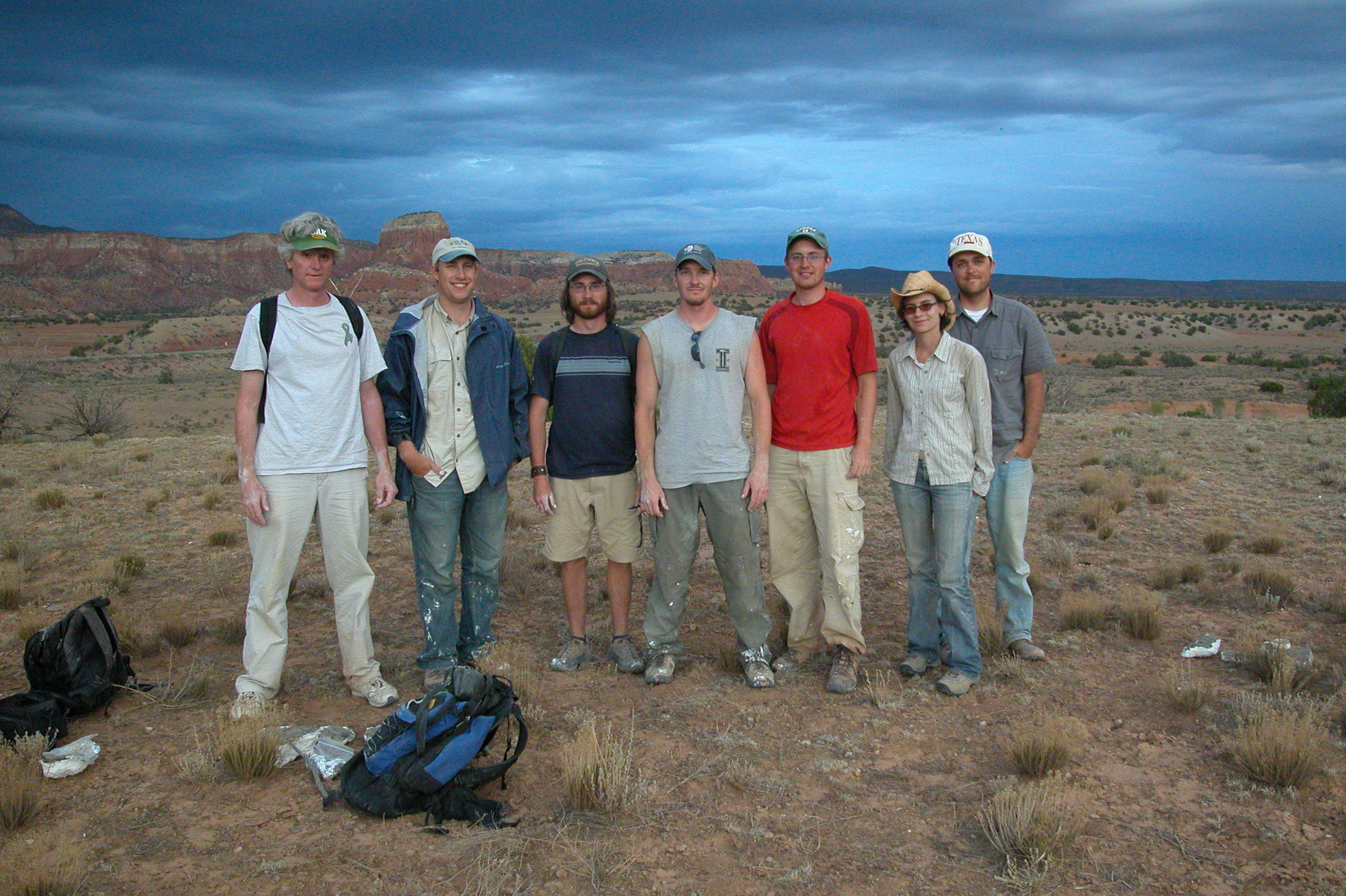
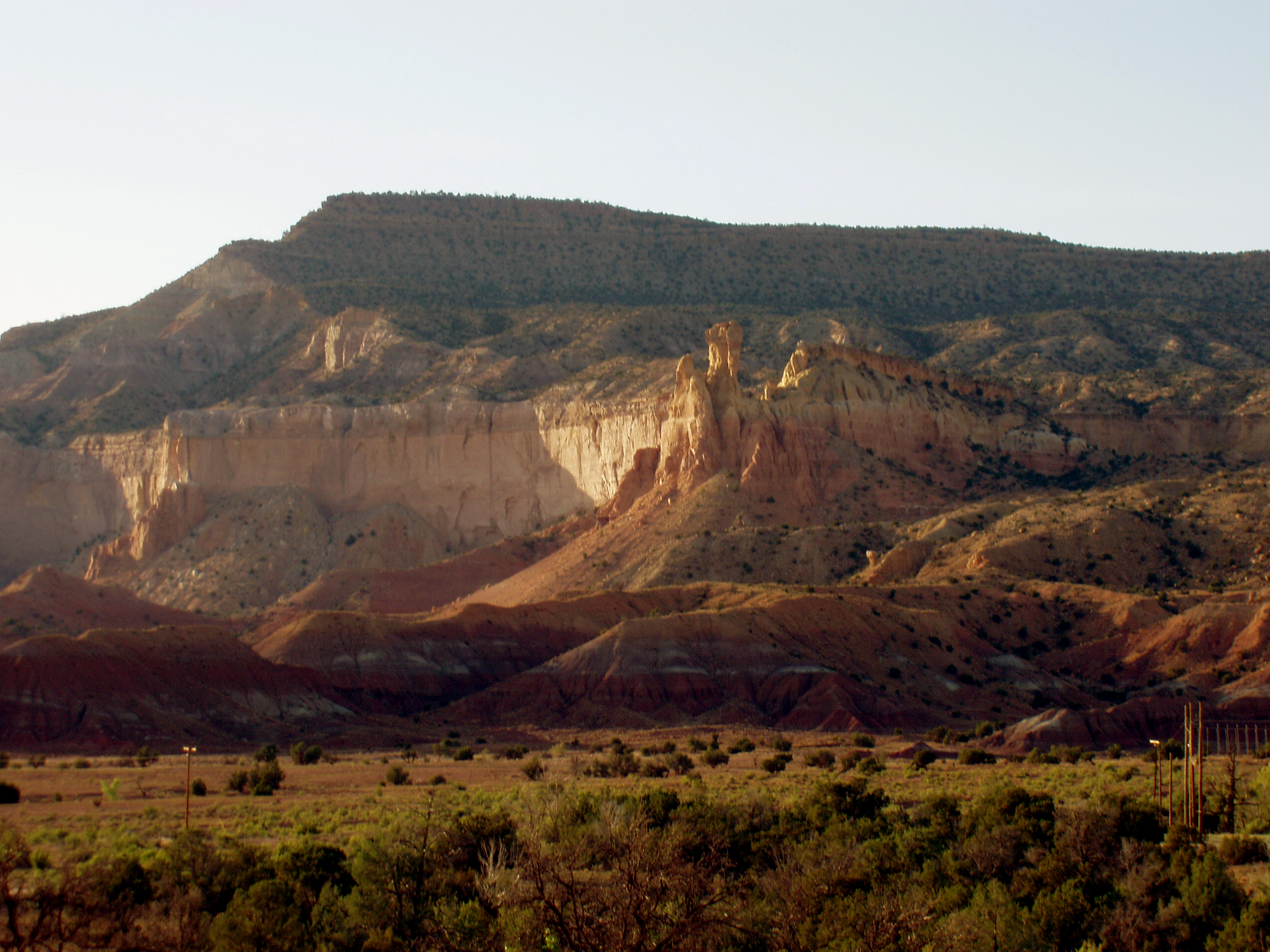
credit: Sterling Nesbitt
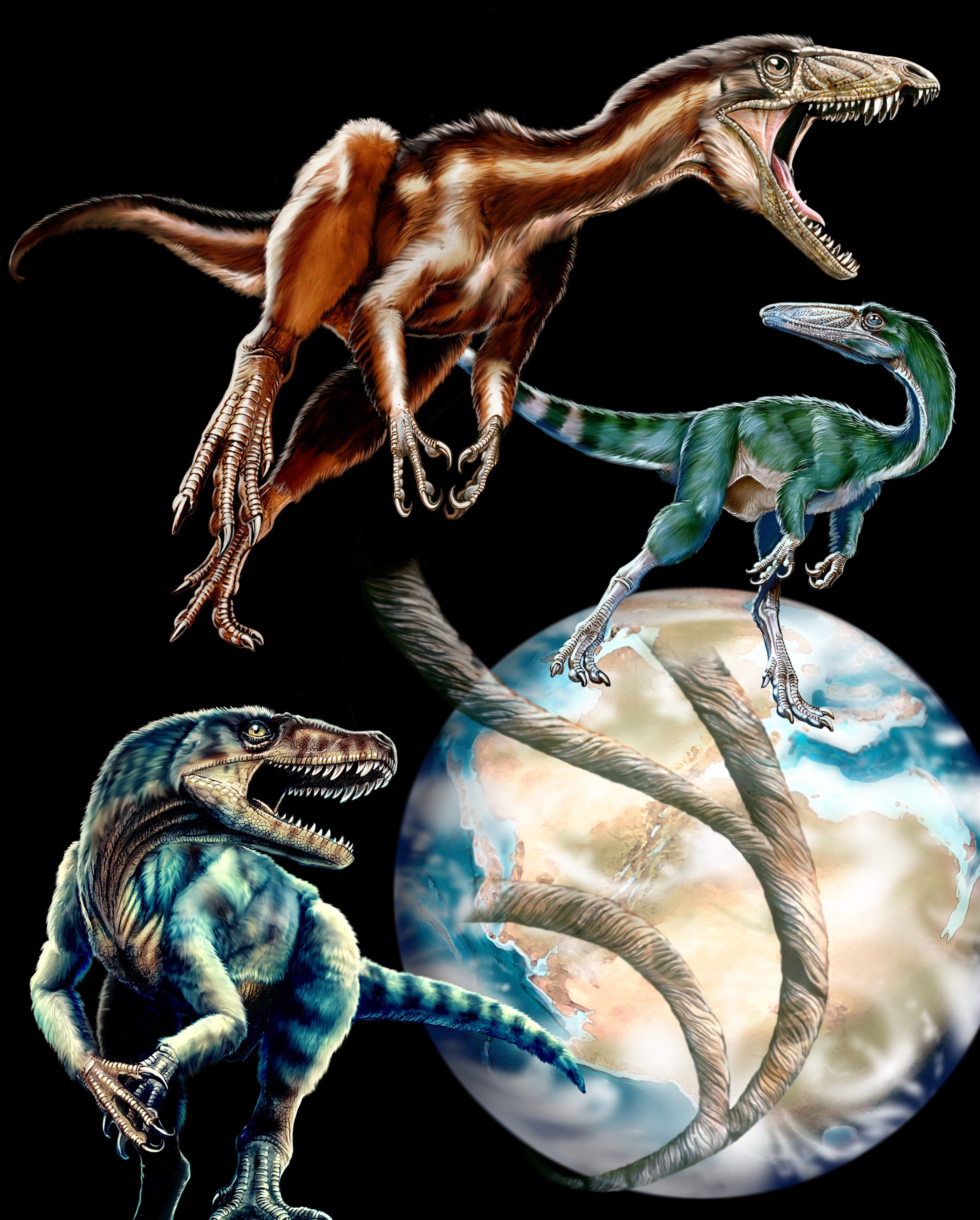
credit: Jorge Gonzales
Information for this post was provided by National Science Foundation Special Report: www.nsf.gov/tawa
Nate shared a fossil of a new dinosaur that was still in rock and the bottom of the plaster case from transport still in place. As I mentioned with Tawa, there is a great deal of work from the time of excavation, analysis and submitting a paper for peer review before publishing. Therefore, I cannot share a picture or name at this time. It will be worth waiting for I’m sure. Speaking of waiting, there is more to share with my visit with Nate and Cristina at the Dinosaur Institute of the Natural History Museum Los Angeles. Stay tuned for my next posts.
Wishing you a Week Inspiring Wonder, Discovery and Responsibility for our Natural and Cultural Worlds.
Your feedback is appreciated, Thank you!